Introduction
Marketing is changing faster than ever. Customers expect relevant content, quick responses, and personalized experiences whenever they interact with a brand. Traditional marketing methods alone are no longer enough to meet these expectations.
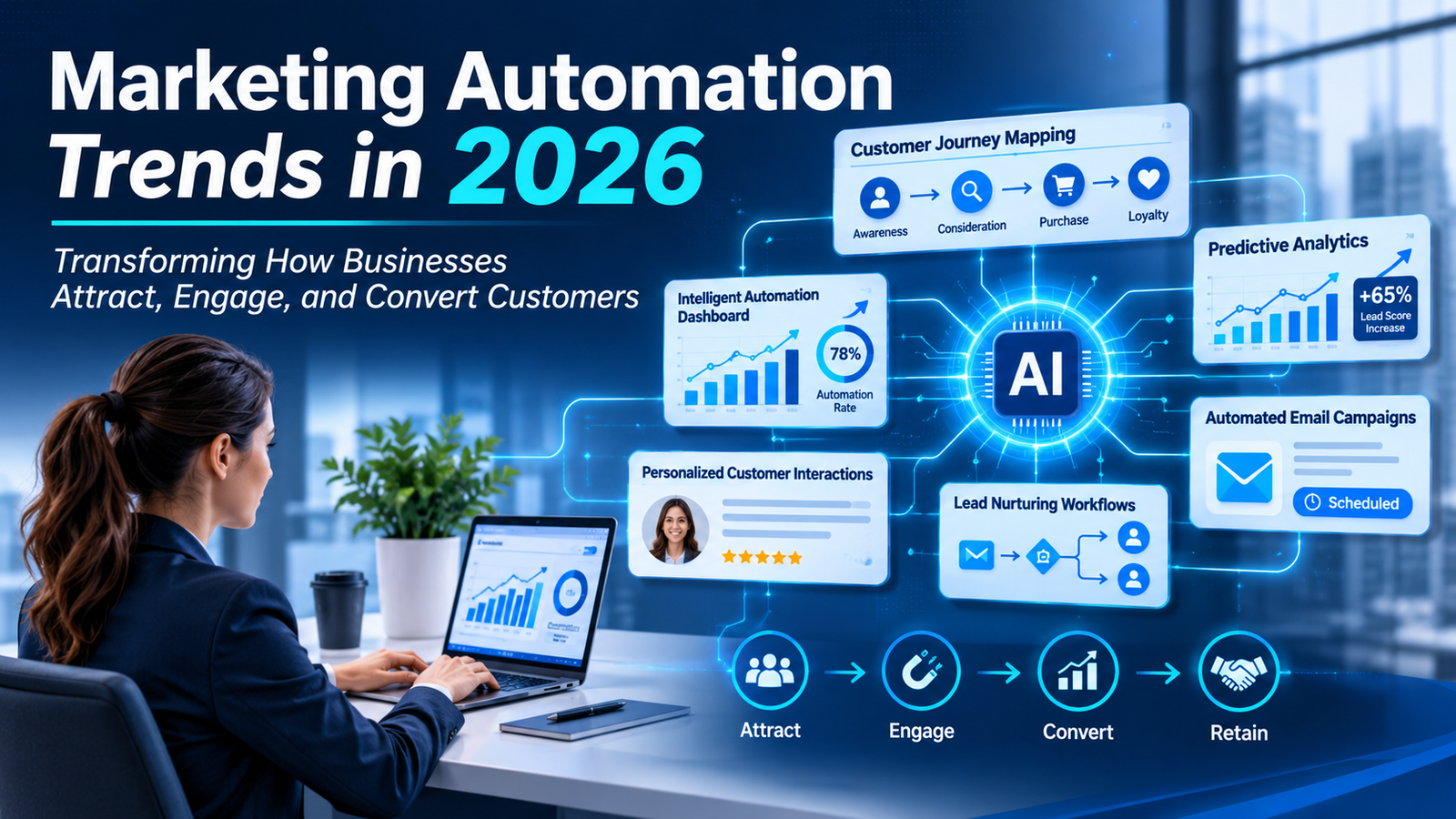
This is where Marketing Automation Trends are making a difference in 2026.
Businesses are moving beyond basic email scheduling and repetitive marketing tasks. They are using artificial intelligence (AI), customer data, predictive analytics, and automated workflows to build better customer relationships and improve campaign performance.
From AI-powered lead nurturing to personalized customer journeys, modern marketing automation is helping businesses connect with the right audience at the right time.
But what does this change mean for marketers, and how can businesses take advantage of these developments?
Let’s explore the important marketing automation developments shaping digital marketing in 2026 and how you can apply them to your business.
What Is Marketing Automation?
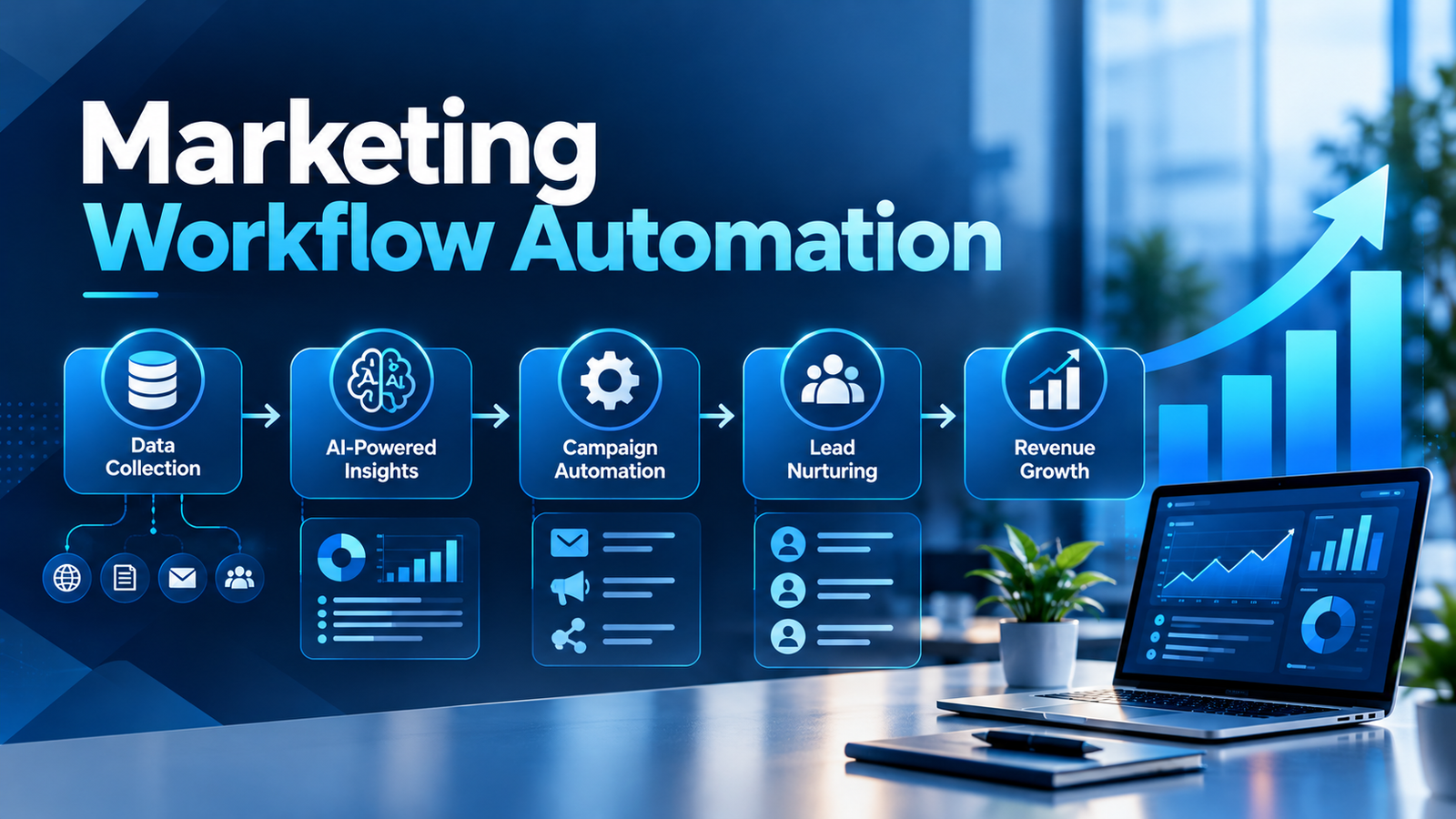
Marketing automation is the use of technology to manage repetitive marketing activities automatically. It helps businesses plan, execute, and monitor campaigns without performing every task manually.
For example, when someone downloads an eBook from your website, an automated system can send a confirmation email, share related resources, and follow up with useful information based on that person’s interests.
Common marketing automation activities include:
- Automated email campaigns
- Lead generation and lead nurturing
- Customer segmentation
- Social media scheduling
- Personalized content delivery
- Lead scoring and qualification
- Campaign performance tracking
Modern platforms combine automation with AI and customer data to make these activities more relevant and effective.
Table of Contents
Why Marketing Automation Matters in 2026
Customer expectations have changed. People do not want to receive the same marketing message repeatedly. They expect businesses to understand their interests and provide useful information.
Marketing automation trends helps companies respond to these expectations while managing their marketing activities more efficiently.
Here are some important reasons why it matters.
1. Better customer engagement
Automated communication allows businesses to connect with customers through email, websites, and other marketing channels. Relevant messages can be delivered based on customer interests and actions.
2. Improved lead management
Marketing teams can automatically collect prospect information, organize contacts, and identify potential customers who are showing interest in their products or services.
3. More personalized experiences
Businesses can use customer behavior and preferences to deliver content that matches different audience needs.
4. Time-saving workflows
Repetitive activities such as sending welcome emails, assigning leads, and scheduling follow-ups can be automated.
5. Better campaign visibility
Marketing automation platforms provide performance insights that help teams understand which campaigns are generating engagement and conversions.
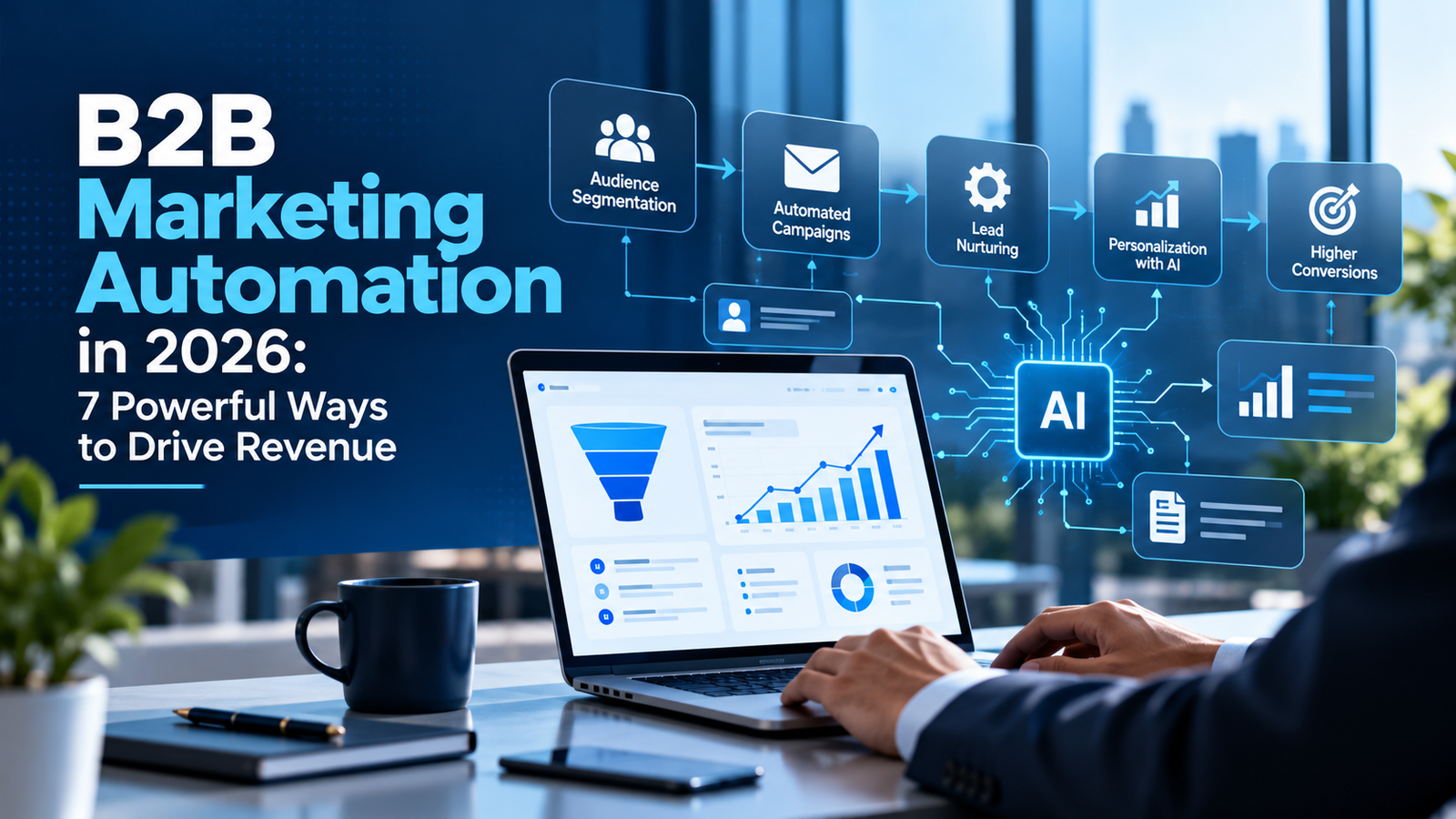
Marketing Automation Trends in 2026: What’s Changing?
Marketing technology is becoming smarter, more connected, and increasingly focused on customer experience.
Here are nine important developments businesses should understand.
1. AI-Powered Marketing Automation
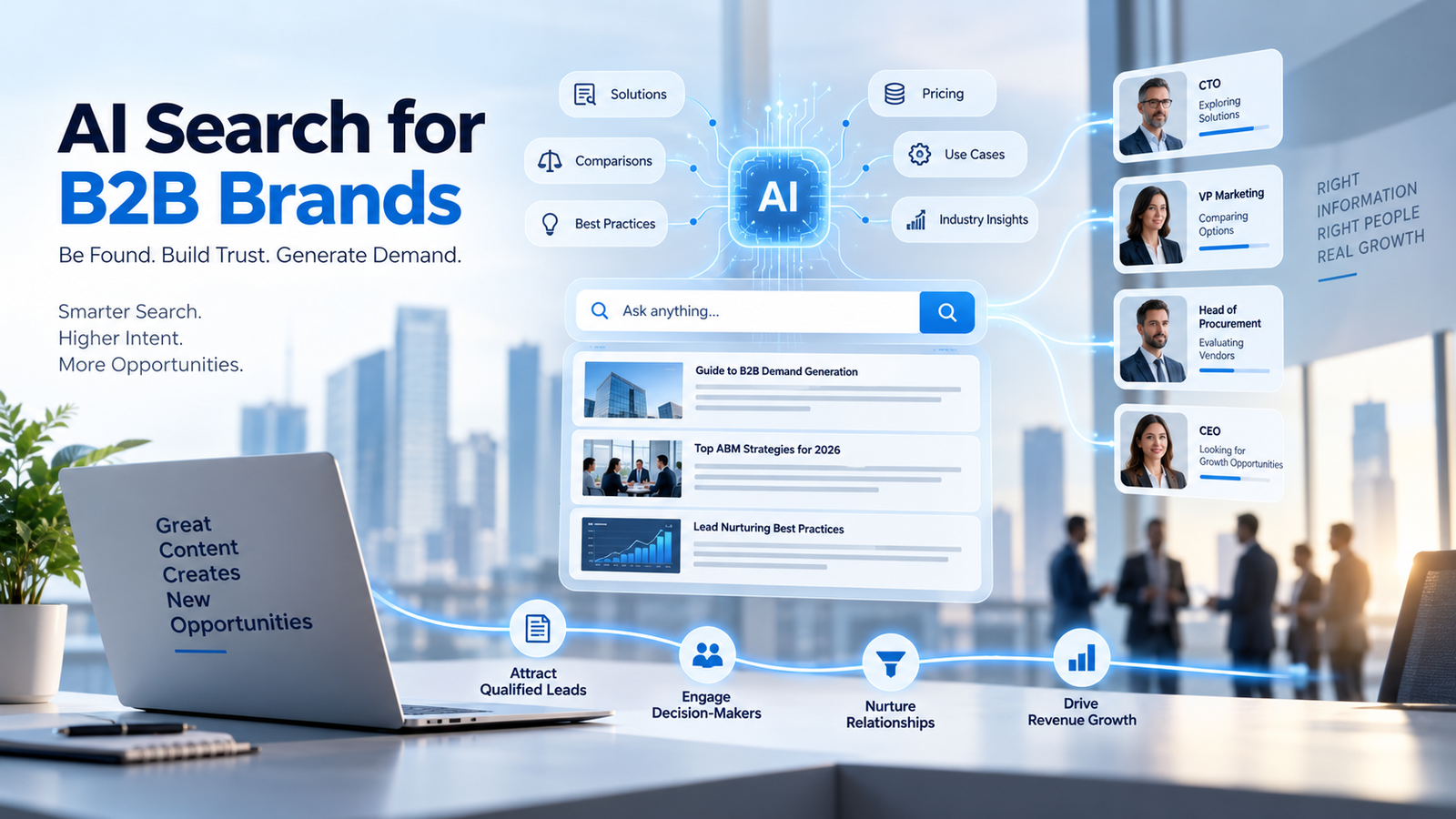
Artificial intelligence is becoming an important part of modern marketing automation.
Instead of relying entirely on predefined rules, AI-powered systems can analyze customer behavior, identify patterns, and help marketers make better campaign decisions.
For example, AI can help marketers generate email content, suggest audience segments, analyze campaign performance, and recommend improvements.
Businesses can use AI to reduce manual work while giving marketing teams more time to focus on strategy and creativity.
The real opportunity is not simply using AI to produce more content. It is using AI to make marketing activities more relevant and effective.
One of the most important Marketing Automation Trends is the integration of AI into everyday marketing activities. Businesses can use intelligent tools to analyze customer behavior, automate repetitive tasks, and create more relevant marketing campaigns.
2. Hyper-Personalized Customer Experiences
Customers are more likely to engage with content that matches their interests and needs.
This is why personalization is becoming a major part of marketing automation. Among the growing Marketing Automation Trends, personalized customer experiences are becoming increasingly important.
Businesses can use customer preferences, previous interactions, website activity, and purchase history to create more relevant experiences.
For example, a B2B software company can send different email sequences to visitors interested in CRM software and visitors researching marketing analytics.
Instead of sending identical messages to everyone, automation allows businesses to communicate with different audience segments.
This makes marketing more relevant and helps build stronger customer relationships.
3. AI Agents and Intelligent Workflows
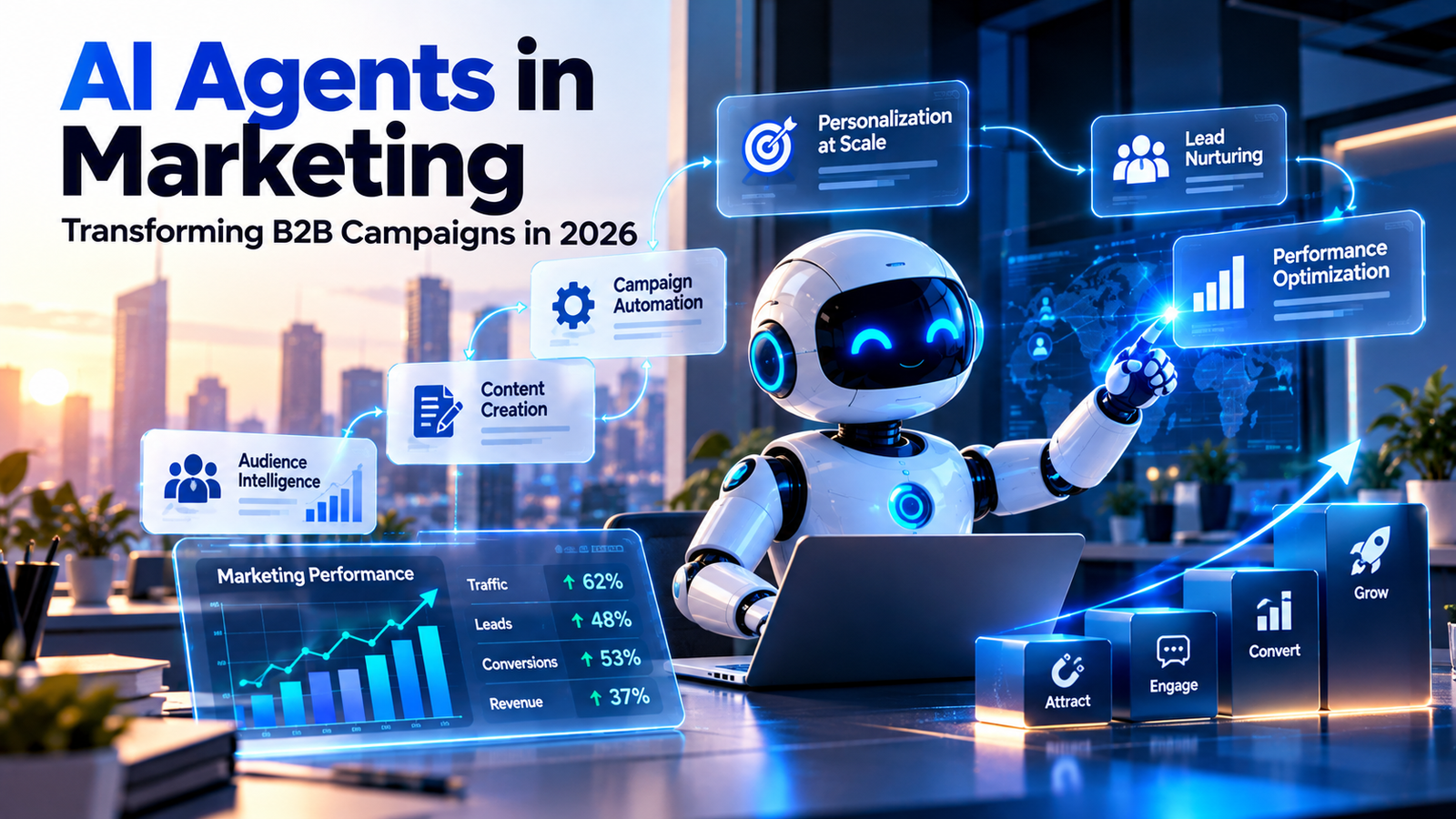
Another important development is the growing use of AI agents in marketing.
Traditional automation follows predefined instructions. AI agents can help perform multiple connected tasks based on specific goals, available information, and business rules.
For example, an AI-assisted marketing workflow could:
- Review incoming leads.
- Identify their industry and business interests.
- Recommend relevant content.
- Prepare personalized follow-up messages.
- Notify the sales team when a prospect needs attention.
Human review remains important, especially when workflows involve customer communication, sensitive data, or important business decisions.
The goal is to make marketing processes more efficient without losing human judgment.
4. Predictive Analytics for Smarter Campaign Decisions
Marketing teams often spend time understanding which campaigns are performing well and which prospects are more likely to convert.
Predictive analytics helps businesses analyze historical and behavioral data to identify possible future outcomes.
For example, a company can examine previous customer interactions to identify patterns associated with high-quality leads.
These insights can help marketers prioritize audiences, improve campaign planning, and make better use of marketing budgets.
Predictive analytics does not guarantee future results, but it can provide useful information for making more informed decisions.
5. Automated Lead Scoring and Lead Nurturing
Generating leads is only one part of a successful marketing strategy. Businesses also need to understand which prospects are genuinely interested in their offerings.
Modern Marketing Automation Trends are also changing how businesses identify and nurture potential customers. Automated lead scoring helps marketing teams prioritize prospects and deliver timely follow-up communication.
Automated lead scoring assigns values to leads based on selected criteria and activities.
For example:
- Downloading a whitepaper may indicate interest.
- Visiting a pricing page may indicate buying consideration.
- Requesting a product demonstration may indicate stronger purchase intent.
Marketing automation can use these activities to update lead scores and trigger relevant follow-up workflows.
Businesses can improve their campaign results by combining automated lead scoring with effective B2B lead generation strategies that help identify and engage the right prospects
Lead nurturing then helps businesses guide prospects through the buying journey with educational emails, useful resources, and relevant communication.
6. Omnichannel Marketing Automation
Customers interact with businesses through multiple channels, including websites, email, social media, mobile applications, and messaging platforms.
Another important development in Marketing Automation Trends is the growing adoption of connected marketing channels. Businesses can coordinate email, website, and social media interactions to create a consistent customer experience.
Omnichannel marketing automation helps businesses coordinate communication across different channels.
For example, someone who visits a product page may receive a relevant follow-up email, while a returning customer may see different content based on previous interactions.
The objective is to create a connected customer journey rather than treating every marketing channel as a separate activity.
Businesses should also respect communication preferences and obtain the appropriate permissions before sending messages. Learn more about omnichannel marketing.
7. First-Party Data and Privacy-Focused Marketing
Customer data plays an important role in modern marketing. However, businesses must also consider privacy, consent, and responsible data collection.
First-party data is information collected directly from customers through interactions with a business.
Examples include:
- Website form submissions
- Newsletter subscriptions
- Customer preferences
- Purchase history
- Account registrations
- Voluntarily shared information
Marketing automation trends platforms can help organize this information and use it to create relevant campaigns.
Businesses should understand how website analytics collects and uses information. Refer to Google’s Google Analytics data collection documentation.
A strong data foundation makes personalization more useful and helps businesses build customer trust.
8. Conversational Marketing and AI Chatbots
Customers often want quick answers before making a purchasing decision.
Conversational marketing uses tools such as chatbots, live chat, and automated messaging to support customer interactions.
AI-powered chatbots can answer common questions, recommend useful resources, collect prospect details, and direct qualified leads to the appropriate team.
For example, a website visitor researching a marketing service could interact with a chatbot to understand available solutions and request a consultation.
However, chatbots should provide accurate information and offer a clear path to human support when a question requires personal attention.
9. Real-Time Campaign Optimization
Traditional campaign analysis often happens after a campaign has finished.
Modern marketing automation makes it easier to monitor campaign performance while activities are running.
Marketers can track important metrics such as:
- Email engagement
- Website traffic
- Landing page conversions
- Lead generation
- Customer interactions
- Campaign ROI
Based on these insights, teams can test different messages, improve landing pages, adjust audience segments, and refine their campaigns.
Real-time monitoring helps businesses identify problems earlier and make improvements based on actual campaign performance.
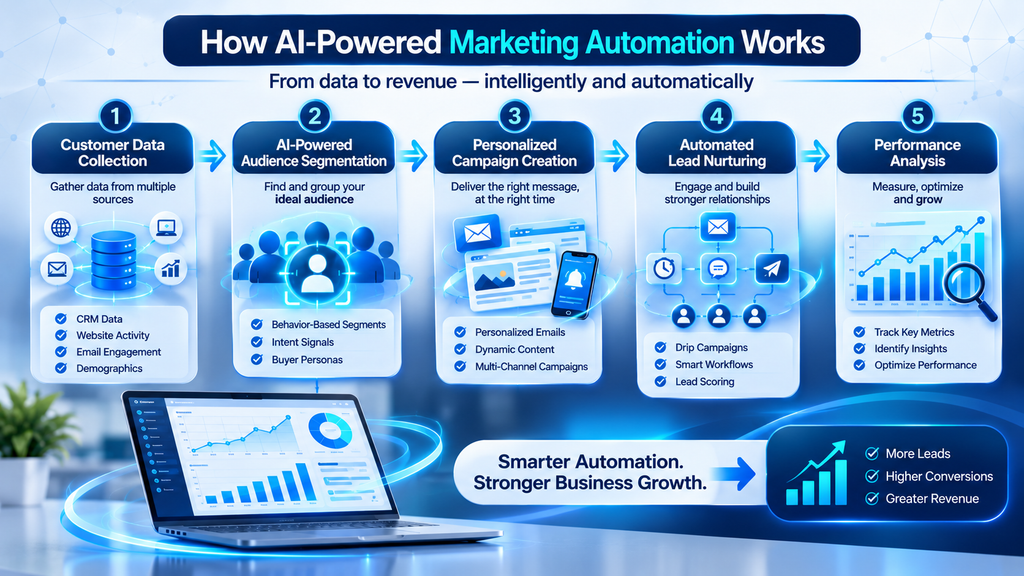
How to Apply Marketing Automation Trends in Your Business
Understanding new developments is useful, but applying them correctly is what creates business value.
Here is a practical approach.
Step 1: Identify repetitive marketing tasks
Start by identifying activities that take up too much time. These might include welcome emails, lead assignments, follow-up reminders, or contact segmentation.
Step 2: Understand your target audience
Identify your ideal customers, their interests, common challenges, and buying behavior.
For B2B businesses, consider factors such as industry, company size, job role, and business requirements.
Step 3: Choose the right automation platform
Select a platform that matches your business requirements. Consider CRM integration, email automation, lead scoring, reporting, scalability, and ease of use.
Step 4: Build useful automated workflows
Create simple workflows before introducing complex automation.
For example, when someone downloads a business guide, send a welcome email followed by related educational content.
Step 5: Personalize your communication
Use available customer information to make your messages more relevant. Avoid sending identical campaigns to every contact.
Step 6: Measure campaign performance
Track engagement, qualified leads, conversions, and revenue contribution. Review the results regularly and improve your workflows.
Common Marketing Automation Mistakes to Avoid
Marketing automation can improve efficiency, save time, and support business growth. However, following the latest Marketing Automation Trends without a clear strategy can create new challenges for businesses.
To get better results from your marketing efforts, avoid these common mistakes:
1. Automating Everything at Once
Implementing too many automated workflows at the same time can create confusion. Start with simple tasks, such as welcome emails and lead follow-ups, and gradually introduce advanced automation.
2. Ignoring Customer Preferences
Sending too many automated messages can reduce customer engagement and damage brand trust. Focus on relevant communication and respect customer preferences.
3. Using Poor-Quality Customer Data
Incorrect, outdated, or duplicate contact information can affect campaign performance. Regularly clean and update your database to maintain accurate customer records.
4. Overlooking Personalization
One of the important Marketing Automation Trends is delivering personalized customer experiences. Avoid sending identical messages to every contact. Use audience segmentation and customer interests to make your communication more relevant.
5. Not Monitoring Automated Workflows
Automation does not mean you can ignore your campaigns. Regularly review email performance, lead activity, and workflow results to identify errors and improve campaign effectiveness.
6. Ignoring Human Involvement
Automation can handle repetitive activities, but customer relationships still need a human touch. Keep your marketing team involved in important conversations, customer support, and business decisions.
By avoiding these mistakes, businesses can use marketing automation more effectively, improve customer experiences, and build stronger marketing strategies.
Best Practices for Successful Marketing Automation
To get better results from your marketing automation efforts, follow these practices:
- Set clear marketing goals before creating workflows.
- Keep your customer database accurate and updated.
- Segment audiences based on relevant business criteria.
- Create helpful and personalized content.
- Connect marketing automation with your CRM.
- Review campaign performance regularly.
- Maintain customer privacy and communication preferences.
- Keep human oversight in important automated processes.
Remember, successful automation is not about sending more messages. It is about delivering the right message to the right audience at the right time.
Frequently Asked Questions About Marketing Automation Trends
1. What is marketing automation?
Marketing automation is the use of software and technology to manage repetitive marketing activities such as email campaigns, lead nurturing, customer segmentation, and follow-ups. It helps businesses save time, improve efficiency, and deliver more personalized customer experiences.
2. What are the latest marketing automation trends in 2026?
The latest marketing automation trends include AI-powered workflows, hyper-personalization, predictive analytics, automated lead scoring, AI agents, omnichannel marketing, first-party data management, conversational marketing, and real-time campaign optimization.
3. How is AI changing marketing automation?
AI is making marketing automation smarter by helping businesses analyze customer behavior, generate personalized content, identify potential leads, predict customer interests, and optimize marketing campaigns. It allows marketers to make more informed decisions and reduce manual tasks.
4. What are the benefits of marketing automation for businesses?
Marketing automation offers several benefits, including improved lead management, better customer engagement, personalized communication, reduced manual work, consistent follow-ups, and improved campaign tracking. It also helps marketing and sales teams work more efficiently.
5. How does marketing automation help with lead generation?
Marketing automation helps generate and manage leads through website forms, landing pages, automated email campaigns, and customer segmentation. It can also track prospect interactions and identify potential customers who show interest in a business’s products or services.
6. Which marketing automation tools are popular in 2026?
Popular marketing automation platforms include HubSpot, Salesforce Marketing Cloud, ActiveCampaign, Adobe Marketo Engage, and Mailchimp. Businesses should compare their features, pricing, integrations, and scalability before selecting a platform.
7. What is the difference between marketing automation and traditional marketing?
Traditional marketing often involves manually managing campaigns, following up with prospects, and analyzing results. Marketing automation uses software to streamline these activities through automated workflows, customer data, and performance tracking.
8. How does marketing automation improve customer engagement?
Marketing automation improves customer engagement by delivering relevant messages based on customer interests, preferences, and previous interactions. Automated emails, personalized recommendations, and timely follow-ups help businesses maintain meaningful communication.
9. Is marketing automation suitable for small businesses?
Yes. Marketing automation is useful for small businesses because it helps manage repetitive marketing tasks, maintain customer communication, and organize leads with limited resources. Small businesses can begin with basic email automation and gradually introduce more advanced workflows.
10. What is the future of marketing automation?
The future of marketing automation will involve more advanced AI capabilities, intelligent agents, predictive customer insights, personalized customer journeys, and connected marketing platforms. Businesses will increasingly combine automation with human creativity to deliver better customer experiences.
Final Thoughts
Marketing automation trends is becoming an essential part of modern digital marketing. AI-powered workflows, predictive analytics, personalized communication, and intelligent lead nurturing are changing how businesses attract and engage potential customers.
However, adopting new technology alone does not guarantee better marketing results.
Following the latest Marketing Automation Trends can help businesses improve lead generation, strengthen customer engagement, and create more effective marketing strategies.
Companies that combine AI technology with accurate customer data and human expertise can build more meaningful customer experiences.
By following the latest marketing automation trends in 2026, businesses can create more meaningful customer experiences, improve lead management, and build a stronger foundation for sustainable growth.
The future of marketing is not simply about automating more tasks. It is about making every customer interaction more valuable.